
From Pirouettes to Football: Why Versatility Is the Secret to a Successful Athlete
When you hear the word “versatility,” you might picture someone who can do it all — from cooking a Sunday roast to solving a Rubik’s Cube. In sport, though, it means something a little different. Versatility is the ability to develop a wide range of movement skills and build strong foundations for future success.
And that’s exactly what today’s article is about: why well-rounded physical development is the key to healthy and effective sports preparation in children, how you can support it, and what may happen if it’s overlooked.
What Is Versatility?
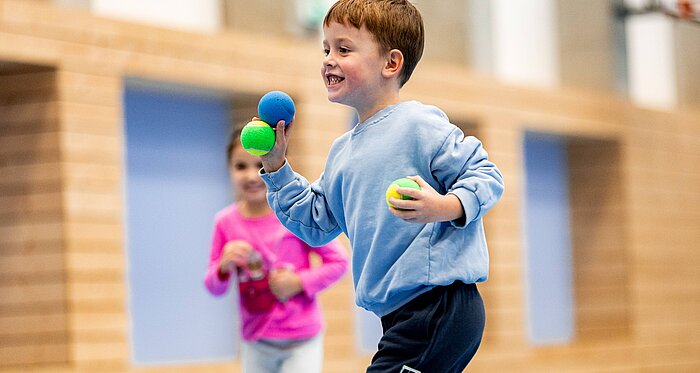
Think of sports preparation like building a house. You don’t start with the roof or the decorative façade. You start with solid foundations. Versatility is that foundation. It’s a mix of diverse movement activities that help children develop a broad set of skills from running and jumping to ball games and basic gymnastics.
You could think of it as a “movement toolbox” that gradually fills with different experiences. The more varied movement experiences a child gains, the stronger they’ll be. Not only in sport, but in everyday life as well.
Versatility isn’t just about sport. It’s a bit like school. If a child studied only maths, they might become excellent at equations, but they’d struggle everywhere else. In the same way, if a child trains only football from an early age, their overall development may be limited. The broader the foundation, the greater the room to grow.
Why Is Versatility So Important?
1. Health Comes First
Children are like flexible branches that shape according to how we guide them. But one-sided training, for example, focusing only on tennis or hockey, can overload certain muscles while neglecting others.
It’s like strengthening only one leg. You might still reach the finish line, but it won’t be without imbalance. Well-rounded training, on the other hand, develops the whole body evenly and reduces the risk of injury and long-term health issues.
2. Preventing Burnout
Children need variety and fun. If they repeat the same activities over and over again, they can become bored or overwhelmed. Active games, adventure-style activities, or even dance can help keep the joy in movement alive. And joy is what matters most in childhood.
3. Social Skills
Different sports teach different forms of cooperation. Football is about teamwork. Gymnastics is about precision and individual focus. Swimming develops concentration and self-discipline. Through various activities, children naturally explore different social roles. Each sport brings new friendships and new experiences.
4. Skill Transfer
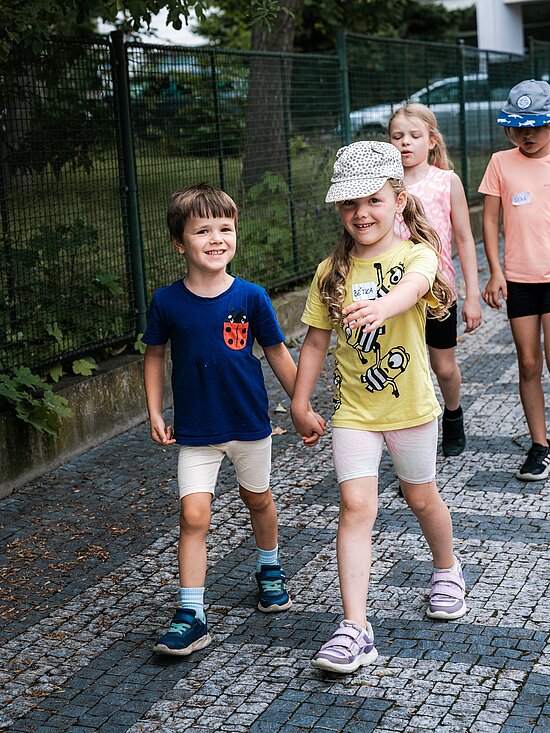
Mastering one movement often helps when learning another. A child who can do a forward roll will better understand balance, whether on skates, on a climbing wall, or elsewhere. This transfer of skills is crucial in every sport and gives children greater confidence in their movement.
5. Long-Term Success
Research suggests that children with a broad athletic foundation often achieve better results later than those who specialized too early. They are more likely to master technically demanding skills and stay at the top longer and more importantly, healthier.
What Happens When Versatility Is Missing?
If a child begins highly specialized training too early, early specialization can occur. It may sometimes bring quick results, but often at a high cost — overload, stagnation, or burnout. Think again of a house without foundations. It may look impressive, but it won’t stand strong for long.
One-sided training can also limit a child’s ability to learn new movements. It’s like knowing only half the alphabet. You might write a few words, but you won’t tell the whole story.
How Can Versatility Be Structured?
1. General Versatility
Activities not directly linked to one specific sport — such as swimming, running, climbing, or ball games.
2. Sport-Related Versatility
Activities that support skills close to a chosen sport. For example, gymnastics elements for a hockey player or dance training for a footballer.
3. Specific Versatility
Developing technique within a particular sport. For example, a football player trying different playing positions.
Tips for Parents: How to Support Versatility
- Encourage new experiences. Athletics, gymnastics, climbing, cycling, water sports. The options are endless.
- Play together. Movement games in the garden, family hikes, skipping rope, ball games. It all counts.
- Support creativity. Let children choose what excites them. Running in the mud? Absolutely.
- Respect their age. Each stage of development has different needs. Younger children need playfulness. Older children can handle more structure.
In Conclusion
Versatility is a powerful key. It opens the door to healthy movement, sporting success, and greater well-being both physically and mentally. It lays the groundwork for a joyful, natural, and long-term relationship with sport.
So, dear parents, let your children explore, experiment, and enjoy movement. Whether it’s pirouettes on the ice, football on the pitch, or jumping in puddles. One thing is certain: with a versatile foundation, they’ll be ready for any sporting challenge that comes their way.