
5Ps of Children’s Training: The Secret to Keeping Kids in Sport (Without Losing Your Mind)
Every parent who has ever tried to get their child to practice and keep their enthusiasm alive knows it’s not just about buying new sneakers and paying the membership fee. Motivating children to stay active is about something much deeper. Kids are not small adults. They have different bodies, different minds, and most importantly, they see the world in their own unique way. If we want them to stick with physical activity, we need to respect five key pillars that form the foundation of quality children’s training. These 5Ps were put together by experts from the Czech organization Gymnathlon.
1. Physical Activity
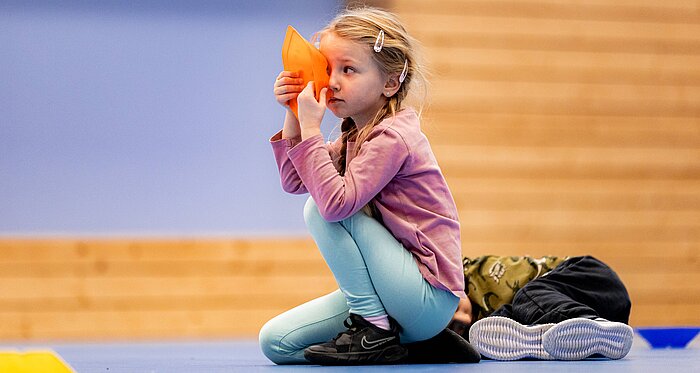
Children need movement the way we need coffee in the morning. Without it, they simply don’t function. Around the ages of 6–8, they enter what professionals literally call a “movement restlessness” phase. In plain language, that means they can’t sit still for more than a minute. When they’re not moving, they feel unsettled, bored, and start inventing mischief. Active games for kids aren’t a punishment for making a mess at home. They’re a natural outlet.
2. Pleasure
Children don’t go to practice because they want a better VO₂ max in the future or a lower body fat percentage. They want to have fun. They crave emotions, experiences, and excitement. Something that feels like an adventure. If training is only about discipline and repetition, it’s like someone forcing you to do a hundred squats every morning before breakfast. Who would enjoy that? Sports for children should simply be enjoyable.
3. Progress
Adults often assume children mainly want to win. Not true. Children want to succeed by their own standards. If a young football player loses a match but scores their first goal, it’s still a fantastic day. But if their team wins 9–0 and they barely touch the ball, they can feel invisible. Kids need to see their own progress and feel that they’re improving. That’s why it’s essential to celebrate small wins, not just medals. This internal sense of achievement is their strongest motivation.
4. People
Team spirit isn’t just a marketing slogan. Children need a group to belong to. Sports clubs are often not just about movement, but about friends they can chat with after practice about Pokemon or the latest TikTok trends. If they don’t feel good relationships within the team, they’ll leave without looking back. So if your child answers the question “How was practice?” with “Great, Matthew was hilarious today!”, it means things are working exactly as they should.
5. Pattern
Children look for role models. It doesn’t matter whether it’s Lionel Messi, an older sibling, or a mum doing thirty push-ups at the gym without breaking a sweat. They need someone to look up to. If they constantly hear at home that exercising is a chore or that “it won’t lead anywhere anyway,” their motivation drops quickly. But when parents move, enjoy sport, and show genuine enthusiasm, children absorb that naturally and want to follow.
The Golden Rule: All or Nothing
Children will stay in sport only when all 5Ps are present at the same time. If the fun disappears, if they stop feeling successful, if they don’t make friends, in short, if one piece of the puzzle is missing, they will soon quit.
So next time you wonder how to motivate your child to stay active, try seeing it through their eyes. When they have movement, fun, a sense of progress, friends, and inspiration, sport becomes something they truly love. And who knows, maybe one day you’ll proudly watch their first big match. Or maybe you’ll simply enjoy the fact that your child has found something that makes them happy. And in the end, that’s the greatest victory of all.