

Do You Want a Little Champion at Home? Maybe It’s Better to Wait a While…
Every parent wants the very best for their child. And when little Peter or Anna shows talent for football, tennis, or ballet, it’s only natural to think: “We’ve got the next Messi here!” Or maybe “the next Serena Williams!” So we start looking for the best club, the best coaches, and as many training hours as possible. Because the earlier they start, the better… right?
Well, this is where early specialization comes in. Focusing on just one sport from a very young age. And that can be a trap. Maybe your child really will become a star. But maybe they’ll stop loving sport altogether. They could develop health issues. Or they might realize they actually wanted to do something completely different.
Let’s look at why children shouldn’t specialize in one sport too early.
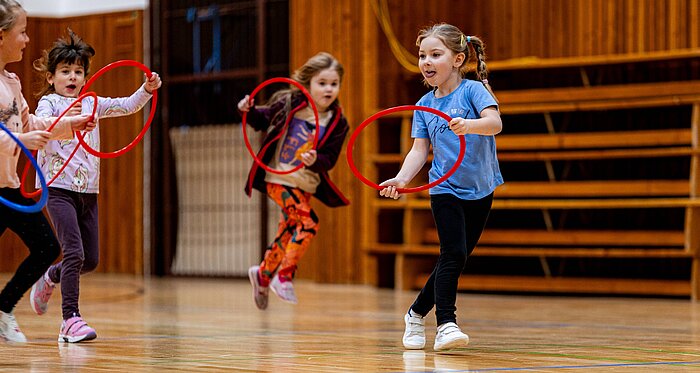
1. When Training Stops Being Play
Do you remember running around outside as a child? One day kicking a ball, the next climbing trees, and the day after riding a bike? That’s natural movement development. But when a five-year-old trains only tennis six times a week, something gets lost. The joy.
Children learn through movement. Varied, playful, diverse movement. If they’re locked into just one sporting “bubble,” their body develops one set of skills while the rest stands still. It’s like learning to write but practicing only half the alphabet. Try writing an essay like that.
2. A Child’s Body Will Eventually Say “Enough”
A child’s body is not a smaller version of an adult’s body. Bones, muscles, joints… everything is still developing. If one part of the body is repeatedly and intensively loaded over time, it can lead to overuse, pain, and even injuries.
Imagine a ten-year-old footballer who kicks all day with only the right foot. After a few years, they might have an incredible shot but also a strength imbalance between the right and left leg that’s impossible to ignore. And that’s a recipe for back, hip, and knee pain. Healthy physical development needs balance.

3. “What If They Stop Enjoying It?”
Children are wonderfully changeable. Today they love karate. Next week they want to try parkour. Next month they dream of playing chess (well, maybe not that often). But if a child is pushed into one sport from an early age, the risk of burnout is real.
Parents invest time, money, and emotion into training and expect their child to continue. Then one day, at ten years old, the child says, “I don’t enjoy it anymore.” And what now? After years of practice and competition, it can be hard to start something new from scratch. When children try different activities from a young age, they better understand what truly excites them. And they keep the freedom to choose.
4. The Best Athletes Didn’t Start Early, They Started Smart
It may surprise you that many top athletes didn’t focus on just one sport from early childhood. They explored a wide range of activities. Roger Federer played football as a child. Michael Jordan played baseball and American football. Usain Bolt started running in later years and played cricket before that.
The best athletes built a broad foundation of movement skills. That variety later supported their coordination, strength, and mental resilience.
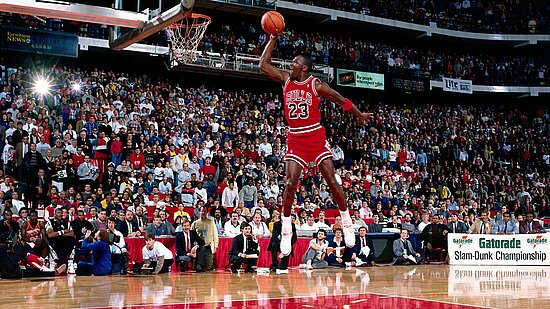
Walter Iooss Jr./Sports Illustrated/Getty Images
5. So What Should You Do Instead of Early Specialization?
- Let children try different sports and activities like running, jumping, climbing, swimming, ball games…
- Encourage variety. Your child wants to play football? Great. Let them also try gymnastics or cycling.
- Avoid comparisons. Every child develops at their own pace. There’s no need to catch up with the neighbour’s tennis prodigy.
- Focus on experience. Sports clubs should primarily bring joy, not endless drills. Results will come when the time is right.
And One Last Thought: Champions Aren’t Made in Kindergarten
Early specialization may sound like a smart strategy, but it often leads to overload, injuries, and burnout. A much healthier path is well-rounded physical development. It allows children to discover their sport naturally, without pressure, and with a smile.
So if you want your child to succeed, don’t push them into one sport from the very beginning. Give them space to explore, experiment, and most importantly, enjoy the journey. They might choose something you never expected. And they might just become truly great at it.